Dermal Fillers
Product profiles, specifications, terminology and selection guidance for professional buyers.
VITRIONA INSIGHTS
Practical information on hyaluronic acid dermal fillers, product selection, manufacturing, quality and private-label cooperation for distributors and professional buyers.
EXPLORE BY TOPIC
Product profiles, specifications, terminology and selection guidance for professional buyers.
Practical guidance for distributors and brand owners developing private-label dermal filler products.
Information about dermal filler manufacturing, production environments and quality-control considerations.
LATEST INSIGHTS
 Manufacturing & Quality
A dermal filler importer checklist should turn an initial product inquiry into a set of details both buyer and supplier can verify. For Middle East buyers, the destination country and intended packaging language matter early—but neither a supplier's general export experience nor a document issued in another country establishes permission to import or sell locally.
Read Article → OEM & Private Label
OEM, ODM and private label are often used interchangeably in international sourcing, but buyers should not assume that every supplier means the same thing by these terms. The important step is to define the actual project scope.
Read Article →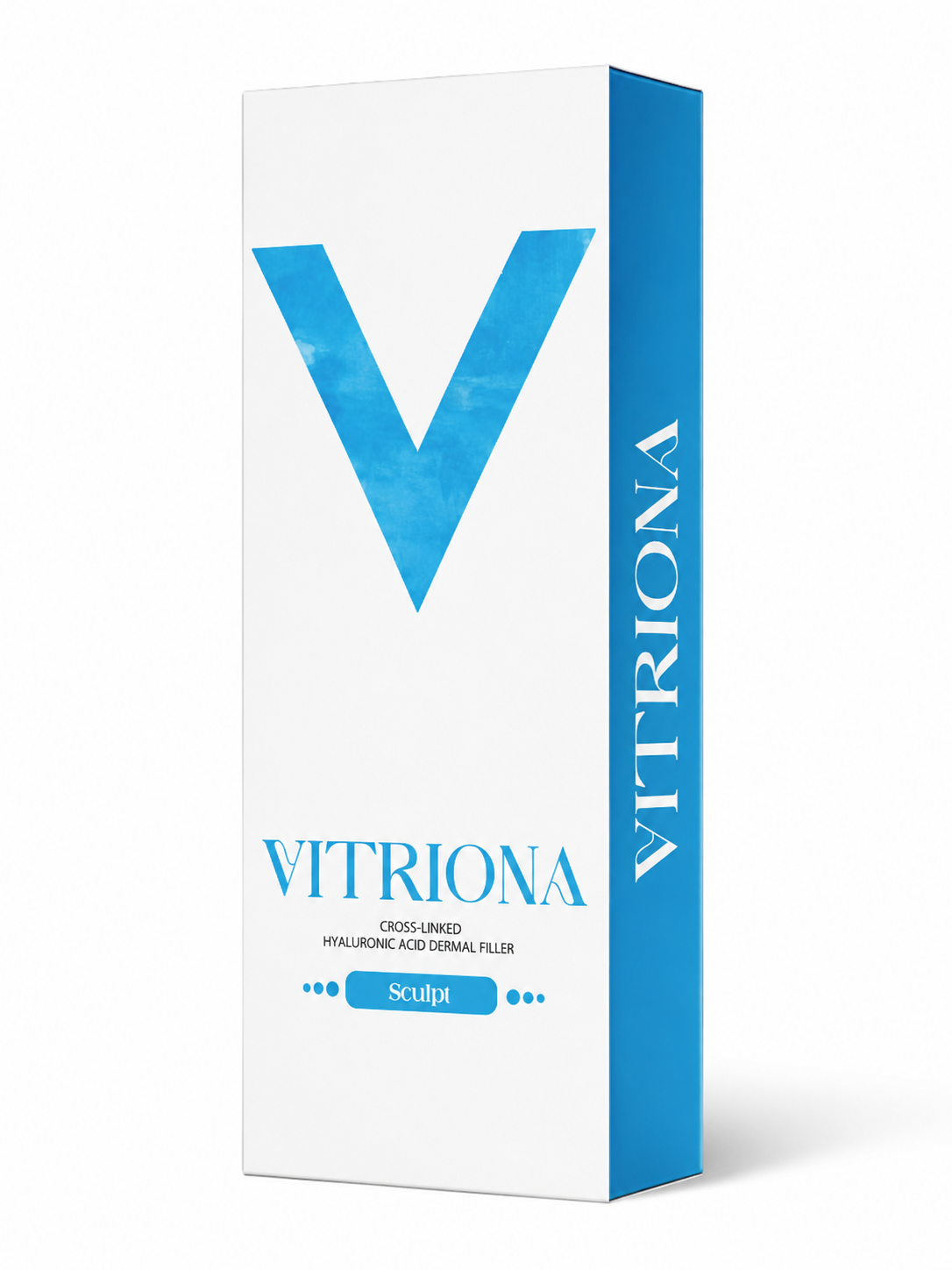 Dermal Fillers
A distributor does not need a long filler catalogue to cover a market effectively. In many cases, a smaller range with clear technical and commercial differences is easier to train, stock and sell.
Read Article → Manufacturing & Quality
Quality control is often reduced to a single sentence on supplier websites. For a B2B buyer, that is not enough. The useful conversation is about where quality review happens, what information is controlled and how the process connects to the product you are ordering.
Read Article → Manufacturing & Quality
Professional buyers do not need to operate a filler production line, but they should understand the major stages that turn hyaluronic acid material into a finished injectable gel product.
Read Article →Manufacturing & QualitySamples are most useful when buyers evaluate them systematically. A sample order should answer specific questions before a distributor or brand owner commits to a larger purchase.
Read Article →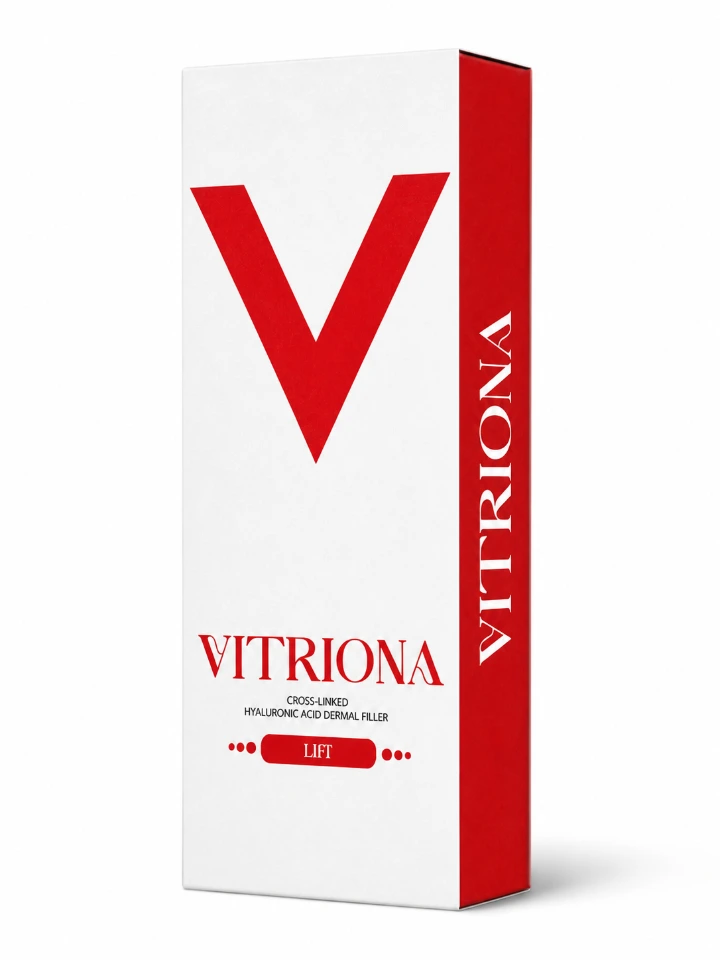 OEM & Private Label
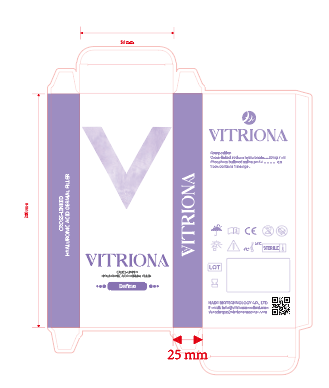
Private-label dermal filler packaging is more than putting a logo on an outer box. A complete project can involve the product label, syringe presentation, needle, blister, carton, instructions for use and other packaging materials.
Read Article → Dermal Fillers
Two dermal filler products can both be described as “cross-linked hyaluronic acid” and still have very different technical profiles. For distributors and professional buyers comparing a wholesale dermal filler supplier, the specification sheet is where the comparison should begin.
Read Article →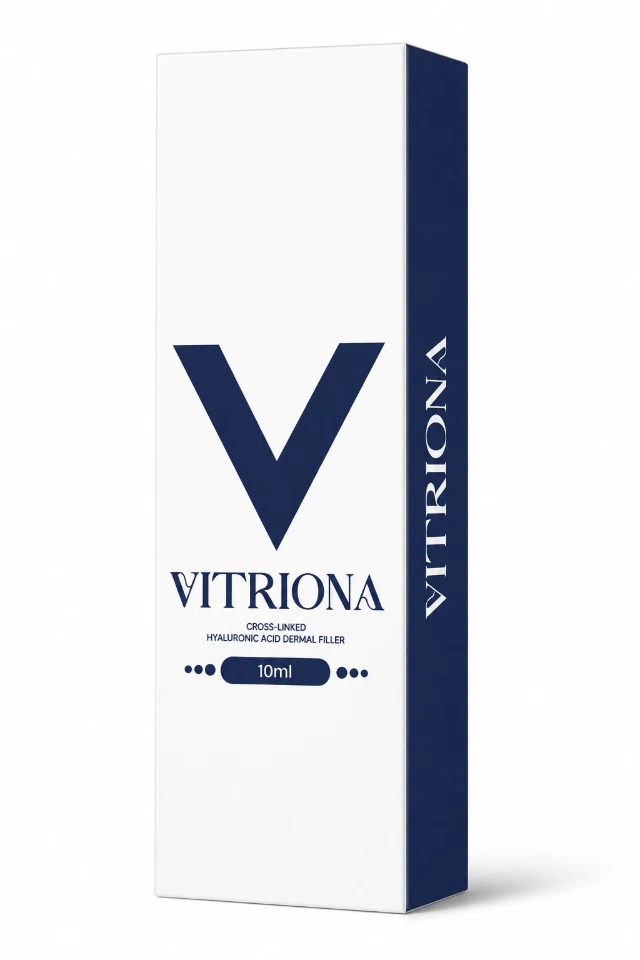 Dermal Fillers
Volume format is a commercial decision as well as a product specification. For distributors and private-label buyers, choosing between 1.1 mL and 10 mL dermal filler formats affects packaging, inventory, customer segmentation and how a product range is positioned.
Read Article →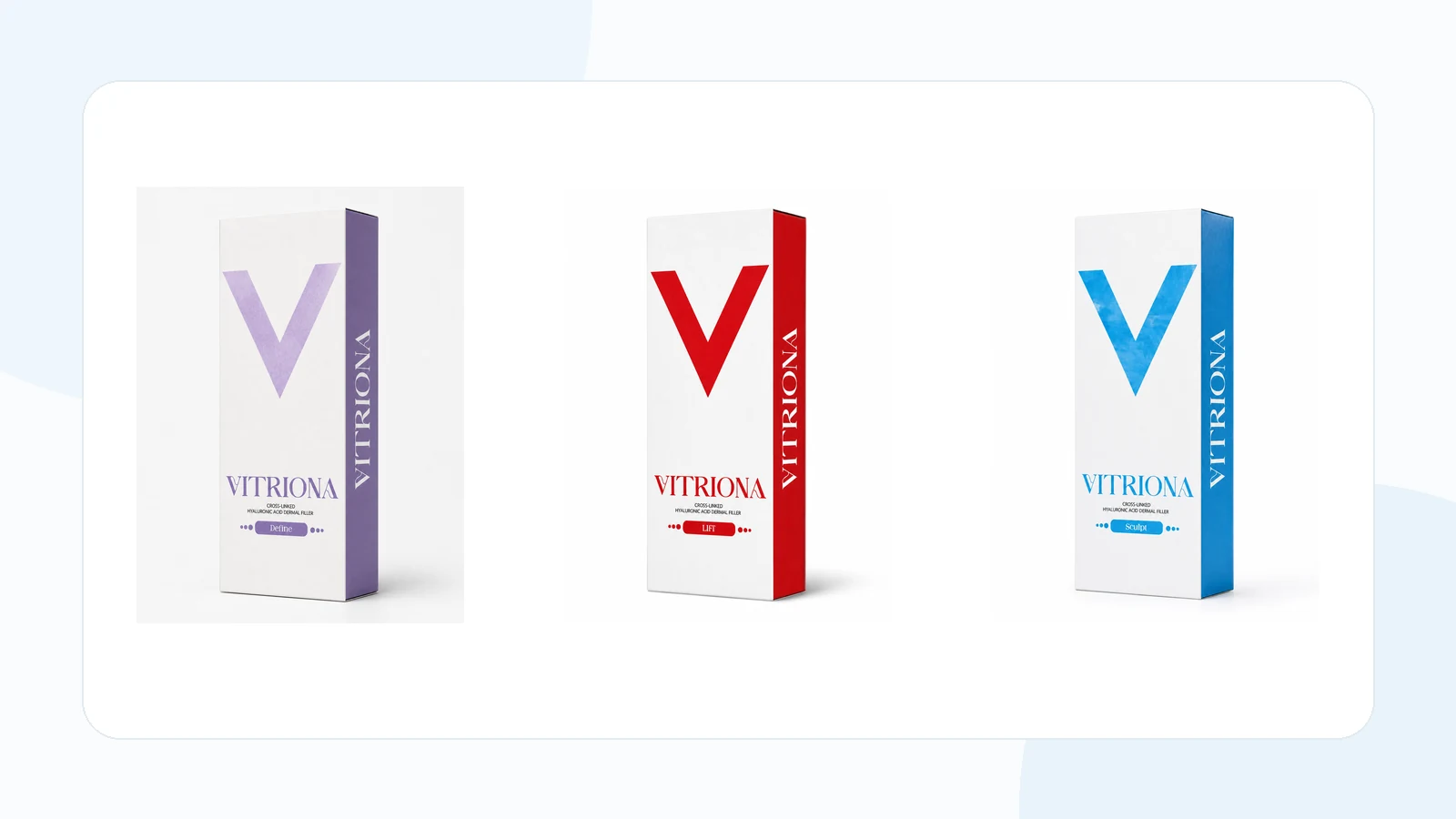 OEM & Private Label
Private-label dermal filler projects move faster when the buyer and manufacturer confirm the same details before artwork and production begin. Most delays are not caused by the filler itself; they come from unclear packaging requirements, missing files, last-minute specification changes or incomplete market information.
Read Article →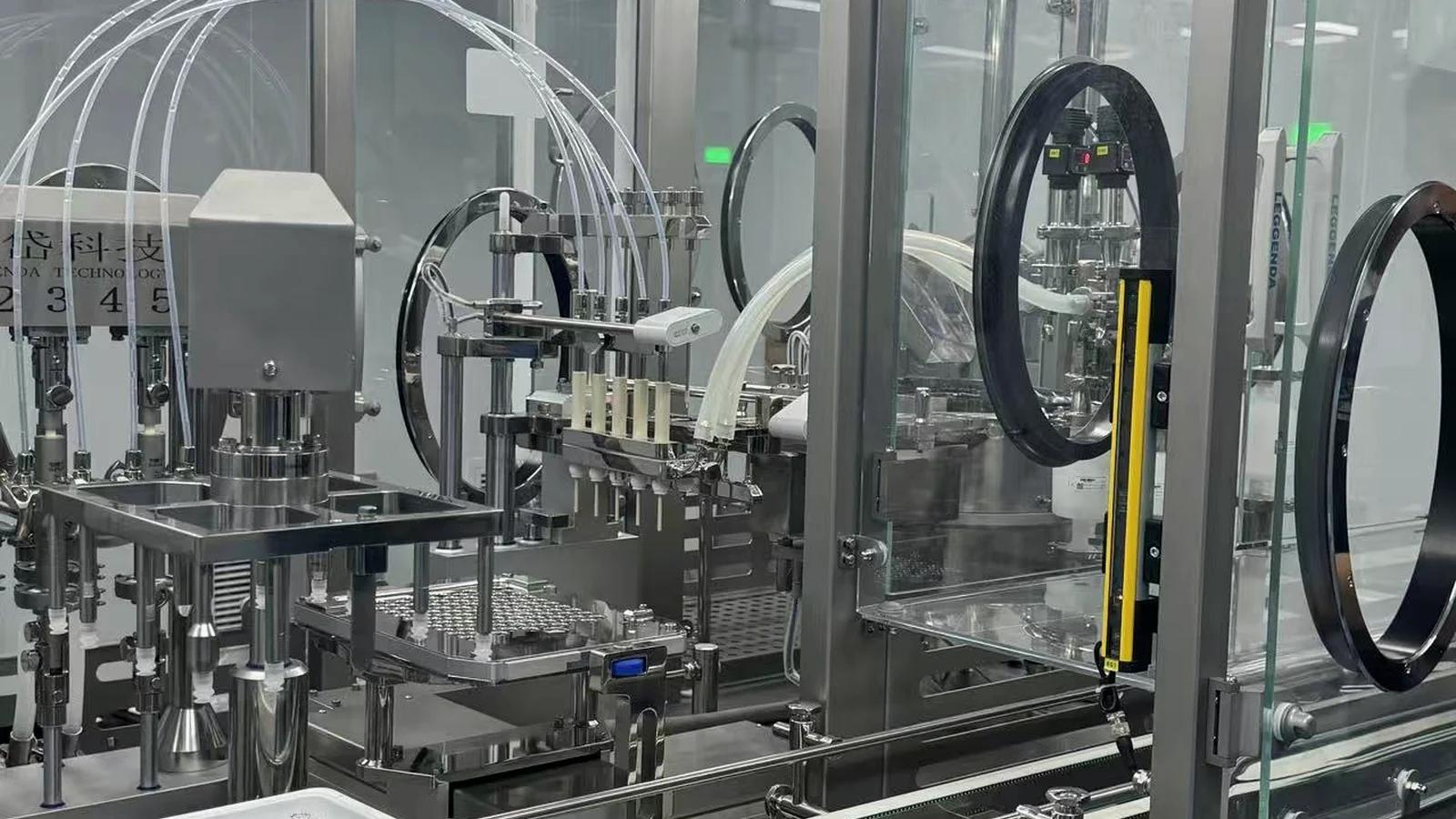 Manufacturing & Quality
Choosing a dermal filler manufacturer is different from buying a standard cosmetic product. The buyer is evaluating not only price, but also technical consistency, manufacturing credibility, documentation, packaging accuracy and the supplier’s ability to support repeat orders.
Read Article → Dermal Fillers
Dermal filler specification sheets often include a value written as G′, pronounced “G prime.” For professional buyers, this number can be useful—but only when it is interpreted correctly and compared with the rest of the product data.
Read Article → Dermal Fillers
When distributors, clinic groups and private-label buyers compare hyaluronic acid (HA) fillers, one of the first technical distinctions they encounter is monophasic versus biphasic. The terms describe how the cross-linked HA gel is processed and structured. They do not, by themselves, tell you that one product is universally better than another.
Read Article →VITRIONA Insights is designed to help professional buyers understand dermal filler products, compare product profiles, review manufacturing considerations and prepare for wholesale or private-label cooperation.
Technical and commercial topics are explained with a focus on practical product and sourcing decisions rather than consumer treatment advice.
EXPLORE VITRIONA
Contact VITRIONA for product, wholesale, distribution or private-label information.