Manufacturing & Quality
How to Choose a Dermal Filler Manufacturer: 10 Checks for B2B Buyers
Choosing a dermal filler manufacturer is different from buying a standard cosmetic product. The buyer is evaluating not only price, but also technical consistency, manufacturing credibility, documentation, packaging accuracy and the supplier’s ability to support repeat orders.
In This Article
Choosing a dermal filler manufacturer is different from buying a standard cosmetic product. The buyer is evaluating not only price, but also technical consistency, manufacturing credibility, documentation, packaging accuracy and the supplier’s ability to support repeat orders.
For distributors, importers and private-label brand owners, the following ten checks create a more reliable sourcing process.
1. Start with a clearly defined product range
A manufacturer should be able to explain exactly what each filler profile is designed to do within the range. If several SKUs use nearly identical descriptions, buyers may struggle to build a clear portfolio for their own customers.
Look for defined differences in product type, HA concentration, rheological profile, volume format, needle gauge and intended positioning.
2. Compare technical information across every document
Check whether the product page, specification sheet, packaging, label and IFU tell the same story. Inconsistent values create problems later during registration, distribution and customer training.
Important fields can include HA concentration, fill volume, needle information, shelf life, storage conditions and product profile.
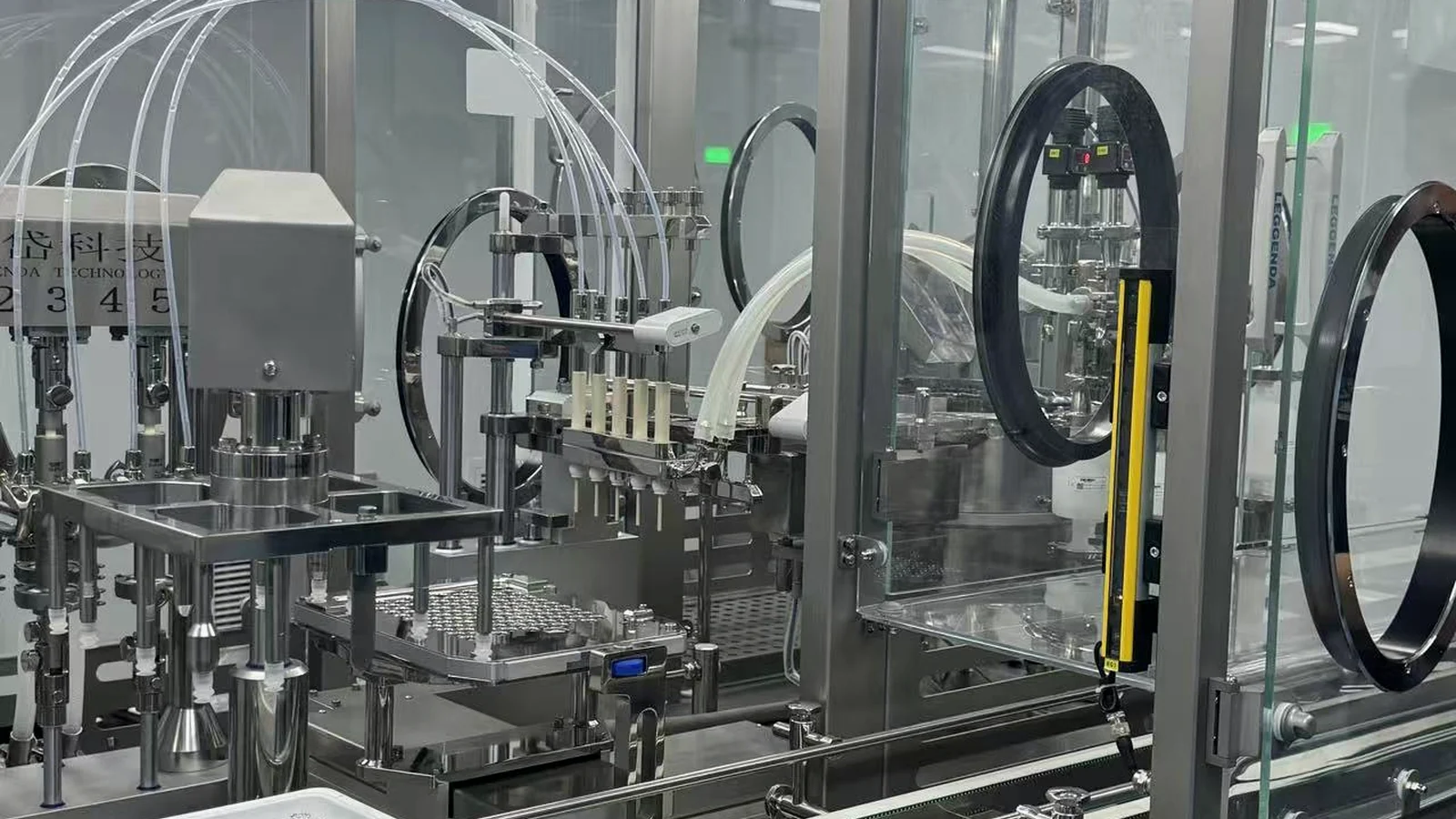
3. Ask to see the real manufacturing environment
Stock images and generic factory claims are not enough for a serious B2B relationship. Buyers should request real production-area photos, equipment information or a factory visit where practical.
VITRIONA publishes its real manufacturing environment so buyers can review production areas and equipment before starting a commercial discussion.
4. Understand how quality control connects to production
A strong supplier should explain when incoming materials, production information, finished products and packaging are reviewed. The objective is not to collect marketing phrases but to understand the actual workflow.
Review VITRIONA’s quality-control workflow and laboratory environment as an example of how manufacturing and quality information can be presented to buyers.
5. Review available documentation early
Do not wait until after payment to ask what documents are available. Documentation needs vary by market, so buyers should identify requirements before confirming a commercial order.
Ask the supplier which product, batch, quality, packaging and company documents can be discussed for your target market. Avoid assuming that a document accepted in one country will automatically satisfy another.
6. Order samples before scaling
Samples are useful for reviewing product presentation, syringe configuration, packaging quality and documentation format before a larger order. For private label, a sample or pre-production review can also reduce packaging mistakes.
VITRIONA currently supports sample quantities of 1–5 pieces.
7. Check commercial terms beyond unit price
The lowest unit price is not always the lowest total sourcing cost. Consider MOQ, lead time, packaging setup, shipping preparation, re-order consistency and how quickly the supplier can confirm technical questions.
For VITRIONA, the current regular-order MOQ is 500 pieces, while the OEM MOQ is 100 pieces. Regular lead time is generally 3–7 days and OEM lead time is generally 10–15 days after requirements are confirmed.
8. Evaluate private-label capability in detail
“OEM available” can mean very different things. Confirm exactly which components can be customized and who is responsible for artwork approval.
VITRIONA private-label options can include labels, syringes, needles, blister packaging, outer boxes, instructions for use and packaging paper, depending on the project. See the OEM / Private Label page for the current scope.
9. Test communication quality before the first bulk order
Technical sourcing requires accurate answers. A supplier that responds quickly but changes specifications repeatedly creates risk. During the sample stage, pay attention to whether the sales team can confirm details with manufacturing or quality staff instead of guessing.
10. Choose for repeatability, not only the first order
A professional manufacturer should support a repeatable product and ordering system. Ask how re-orders are identified, how packaging files are controlled, how changes are confirmed and what information is retained from previous OEM projects.
A practical sourcing decision
The strongest supplier evaluation combines technical product review, manufacturing visibility, quality information, documentation, sample review and commercial fit. Price still matters, but it should be compared after the basic qualification work is complete.
If you are evaluating a monophasic HA filler supplier for wholesale, distribution or private label, review the VITRIONA product range and send your market and sourcing requirements.
For professional and B2B informational purposes only. Documentation and regulatory requirements vary by market.
VITRIONA B2B SUPPORT