Manufacturing & Quality
How Hyaluronic Acid Dermal Fillers Are Manufactured: A B2B Overview
Professional buyers do not need to operate a filler production line, but they should understand the major stages that turn hyaluronic acid material into a finished injectable gel product.
In This Article
Professional buyers do not need to operate a filler production line, but they should understand the major stages that turn hyaluronic acid material into a finished injectable gel product.
HA material preparation
Modern hyaluronic acid used in medical and aesthetic products is commonly produced through controlled fermentation and purification. The properties of the starting material form part of the final formulation strategy.
Cross-linking
Native HA is rapidly degraded, so dermal filler manufacturing uses cross-linking to create a more durable gel network. Cross-linking chemistry and process conditions influence the final gel structure and rheological properties.
Gel processing and homogenization
After cross-linking, the gel is processed to achieve the required consistency and product profile. Monophasic and biphasic products use different processing approaches, and manufacturers can create multiple profiles within one technology platform.
Filling and assembly
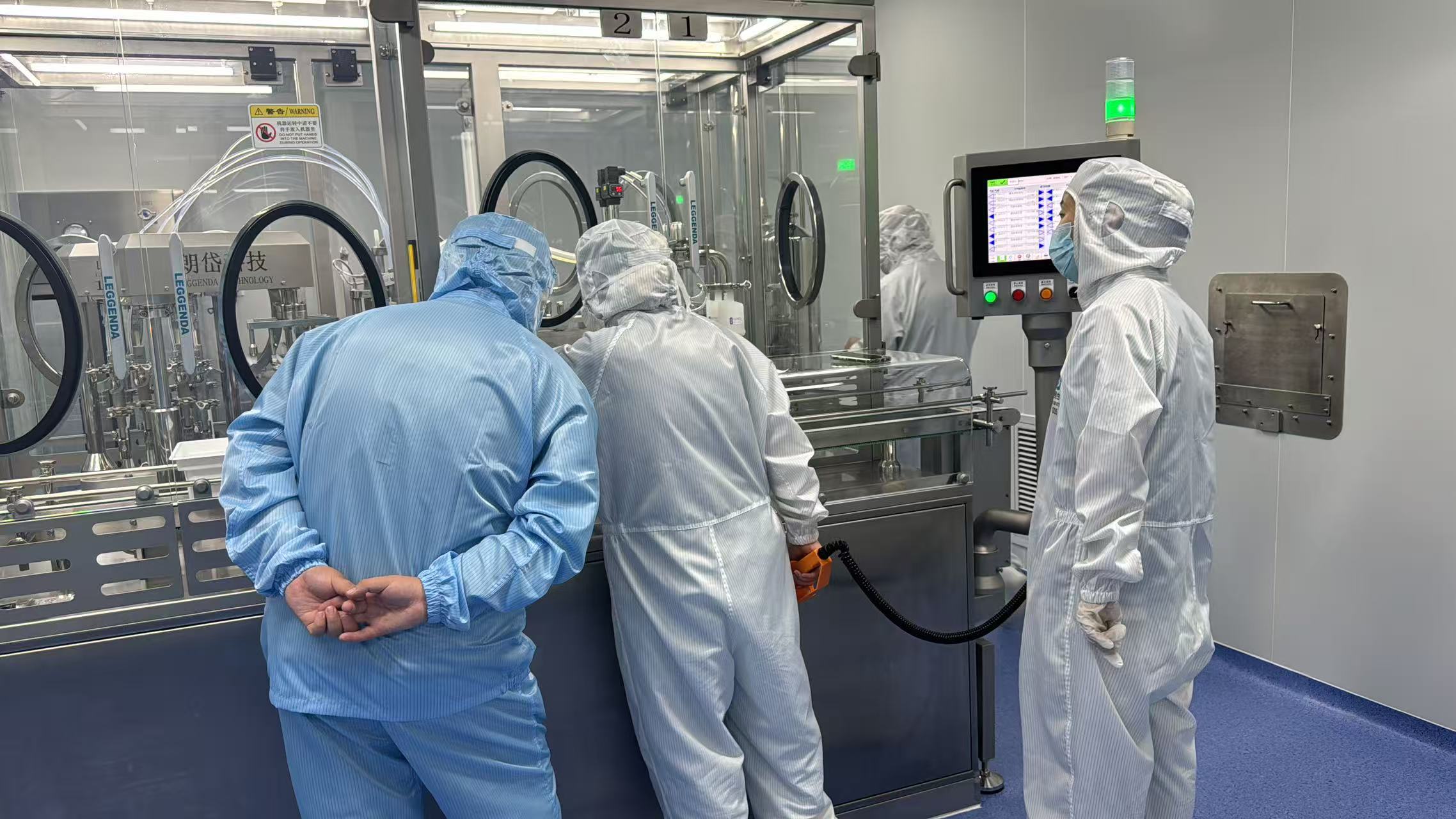
The prepared gel is filled into the specified container or syringe configuration under the applicable controlled process. Assembly connects the filled unit with components such as plungers, labels, needles and blister packaging.
Packaging
Packaging is part of product control, not only marketing. Product identification, labels, cartons and IFUs must match the confirmed SKU and order requirements.
Quality review
Incoming materials, production information, finished-product information and packaging can all be included in the relevant review workflow. The exact test and release system depends on the product and manufacturer.
What buyers should ask
- Can the supplier show the real manufacturing environment?
- How are different filler profiles separated and identified?
- How is packaging linked to the correct product and order?
- What quality and documentation information can be reviewed?
- How are OEM artwork and packaging changes controlled?
VITRIONA publishes real manufacturing areas and equipment and a separate quality-control overview for B2B buyers.
Reference
This article is a high-level B2B overview and does not disclose proprietary manufacturing parameters.
VITRIONA B2B SUPPORT